
Over the last decade the abuse rate, addiction levels, and supply of both pharmaceutical and illicit street drugs have continued to infest our streets. These substances, however, have plagued the world for centuries. In recent years, a new category of mind-altering chemicals have crept their way into the parks and pockets of those looking for an escape from reality.
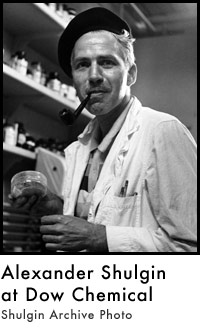
When research chemicals first hit the streets, they were a highly niche group of psychoactive compounds. The majority were the results of experimentation by the infamous, and quite genius, Dr. Alexander Shulgin. In his books, Phenylethylamines I Have Known and Loved (PiHKL) and Tryptamines I have Known and Loved (TiHKL), Dr. Shulgin outlines the syntheses and effects on scores of novel psychoactive compounds he discovered.
These books were released in the late 1990s, into a information-culture that bares little resemblance to the one most are familiar with today. In those days, one could easily find an online vendor for many of Shulgin’s substances. These substances were termed by their community as research chemicals, the majority of which have been banned by the United States government.
Taking note from Dr. Shulgin’s technique of creating substances which were “like MDMA but not MDMA,” clandestine chemists across the globe began scouring chemical research journals, perusing everything from leaked theoretical syntheses from industry-leading pharmaceutical companies such as Sandoz and Sigma-Aldrich to scientific journals from the late 1800s and early 1900s. This is when the nature of the research chemicals themselves began to take on a completely new identity.
As one might imagine, pharmaceutical companies devise thousands of theoretical substances and test hundreds of potentially new and useful drugs each year. The vast majority of these will fail in clinical testing. No longer were research chemicals the psychoactive children of Dr. Shulgin, but any psychoactive chemical not yet banned by the DEA. Clandestine chemists were now synthesizing much more chaotic and unpredictable substances. French diet pills from the late 1800s, or benzodiazepines which were deemed too potent, too hard on the central nervous system, or simply failing in animal and human studies, began to be sold online. A new market had been born, dubbed “the Grey Market” as its products exist in a grey area of the law, not legal for human consumption, but legal to possess for “research purposes.”
This brings us to fentanyl, developed and intended to ease late-stage cancer pain and for use in surgical anesthesia. Like any organic molecule, the fentanyl molecule may be toyed with and altered by those with the equipment and knowledge to do so. This, in conjunction with the hundreds of novel compounds designer chemists are brewing up in their laboratories, has created a maelstrom of suffering across the United States. Due to the nature of organic chemistry, the number of fentalogs continues to grow. There are currently over 1400 fentanyl based compounds known to the DEA.
Before fentanyl it was methamphetamine, before methamphetamine, heroin, and the list goes on. These last decades, which have brought us so much novelty and innovation in technology and engineering, have certainly taken narcotics along for the ride. Grandparents are raising their grandchildren, billions of dollars per year are spent equipping doctors and nurses with necessary medication as they fight to save life within overflowing hospital wards. Yearly death tolls of young men between the ages of 18 and 25 sometimes rival that of the bloodiest weeks in the Vietnam war. The new millennium has brought with it conveniences and technologies once thought the realm of magic or science fiction, yet it has left mass graves across the Midwest. As the world has become more complex, so have its challenges and social maladies, and the problem of substance abuse continues to accelerate.
These highs are legal and poorly understood. Even doctors are only beginning to learn of the prevalence of research chemicals due to their legal status and inconspicuous means of distribution, often involving an online mail-order service with a credit card.
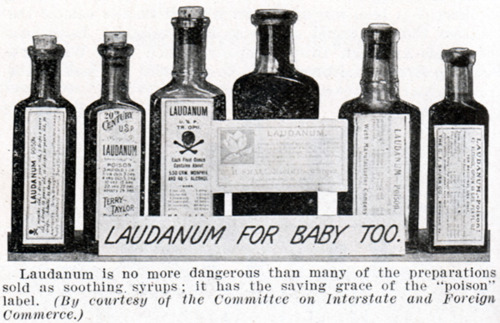
As with all great epochs of human progress, so too do we seem to find new ways to alter our consciousness. Agriculture begat alcohol, selective-breeding begat cannabis, and the industrial revolution saturated the world with opium, cocaine, and laudanum. The information age has brought us research chemicals.

 Word Depressed